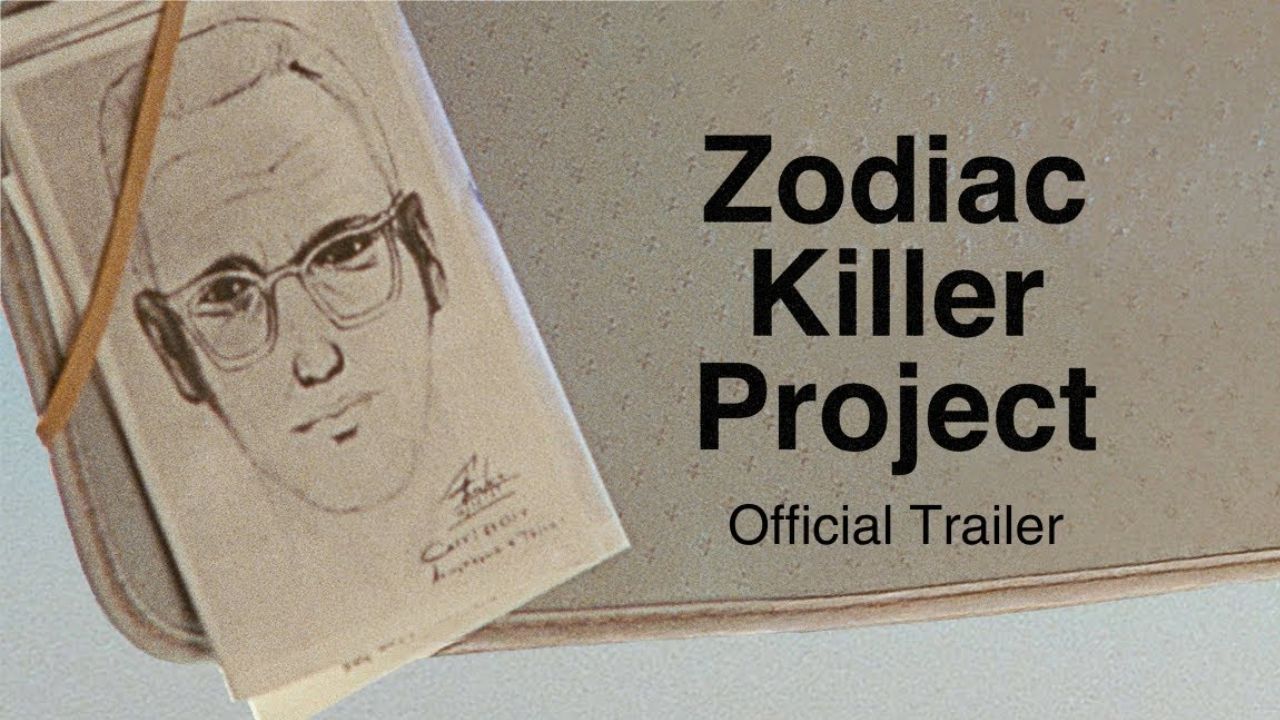
In this extended review, we dive deep into the Zodiac Killer Project Movie, an ambitious production that seeks to reinterpret one of America’s most haunting unsolved cases through a modern, atmospheric lens. Crafted with careful attention to mood, authenticity, and psychological nuance, the film offers a compelling blend of fact-inspired storytelling and fictional narrative design. we will explore how the movie handles its subject matter, what it offers to true-crime enthusiasts, and whether it stands apart in a crowded genre of crime re-tellings and investigative dramas.
The Zodiac Killer Project Movie aims to stimulate curiosity, invite speculation, and challenge viewers to question what they believe about the infamous killer while experiencing a fresh and cinematic retelling of one of the most mystifying criminal sagas in U.S. history.
Revisiting an American Legend Through a Modern Lens
Few unsolved cases have achieved the mythic aura of the Zodiac Killer. For over half a century, the case has hovered between documented fact and near-mythology, evolving into one of the most culturally influential crime stories of all time. The new movie understands this, treating the case not simply as a record of events but as a living cultural construct—one that continues to inspire endless hypotheses, documentaries, books, and theories.
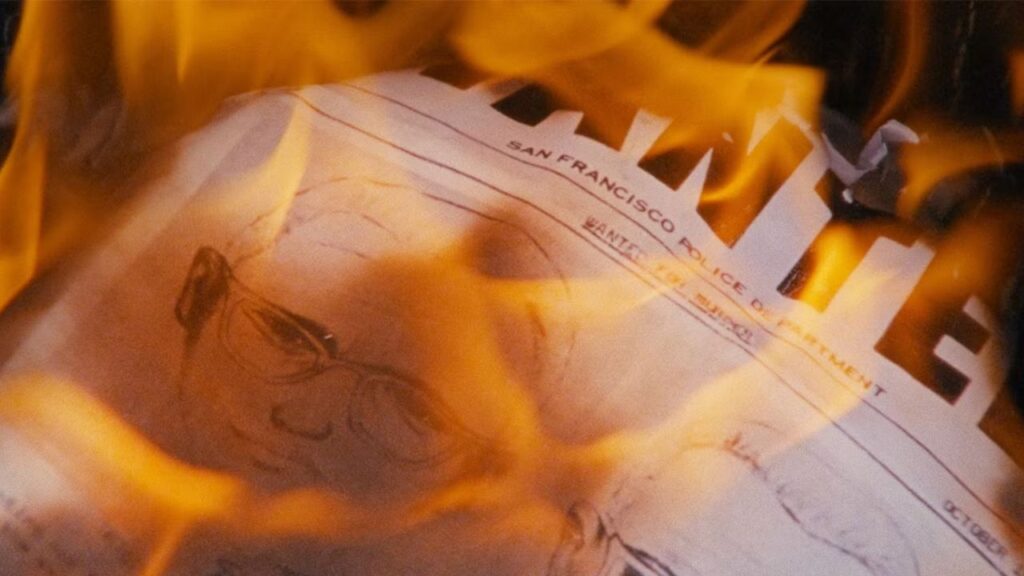
The film approaches its subject by blending historical accuracy with narrative creativity, offering viewers a hybrid experience that feels grounded yet dramatically engaging. The director avoids creating a rigid documentary-style depiction; instead, the film chooses a more interpretive route that leans into mood and character insight.
One of the most compelling aspects of this movie is how it attempts to humanize the fear of the era. Instead of simply presenting the killer’s actions, it explores the ripple effect across communities, families, investigators, and media outlets who all played a part in shaping the public perception of the case. This emotionally layered choice gives the film an identity distinct from other Zodiac-inspired works.
View Also: Predator: Badlands Review 2025
Filmmaking Craft: Atmosphere, Aesthetic, and Intentional Restraint
Where the movie shines most clearly is in its cinematic craftsmanship. The production team leans heavily into atmosphere, creating an experience that feels immersive and unsettling without relying on gratuitous violence or sensationalism. The restraint is intentional—and surprisingly effective.
Visual Tone and Cinematography
The film uses a dark, shadow-heavy palette that mirrors the uncertainty and paranoia associated with the case. This aesthetic choice enhances the mood without overshadowing the narrative. Scenes are often shot with long takes, slow pans, and lingering angles that highlight the psychological weight felt by characters. The tension is less about jump scares and more about simmering unease.
Bolstered by nuanced lighting and composition, the visual world of the film feels unmistakably rooted in the late 1960s and early 1970s. Yet it also feels timeless—because fear, mystery, and unanswered questions never fully age.
Sound Design and Score
The score deserves special mention for its subtle but powerful role. Rather than using dramatic orchestral peaks, the music stays low, atmospheric, and eerie. The sound design incorporates whispers of radio broadcasts, typewriter clicks, and the hum of police stations—details that enrich the realism and anchor the viewer firmly in the era.
By blending audio textures with minimalist musical motifs, the film creates an auditory backdrop that feels both authentic and psychologically unsettling.
Direction and Vision
The director demonstrates a clear vision: prioritize authenticity over spectacle. The film opts for a thoughtful, contemplative tone. It gives space for scenes to breathe, allowing viewers to sit with emotions and questions instead of rushing toward answers that, realistically, may never come.
This approach might feel slow for some viewers seeking a more traditional thriller structure, but for those who appreciate atmospheric tension and character-driven storytelling, it delivers a rewarding experience.
Characters, Performances, and Emotional Weight
The heart of the Zodiac Killer Project Movie lies not in the killer himself—whose identity remains unknown—but in the individuals whose lives were shaped by the case. This includes detectives, journalists, and affected civilians who serve as emotional anchors throughout the film.
Investigators as Emotional Protagonists
The lead detective is portrayed not as a stoic hero but as a deeply human figure grappling with exhaustion, obsession, and a growing sense of personal responsibility. His journey mirrors that of many real investigators who spent decades wrestling with the emotional burden of the Zodiac case.
Through subtle acting choices—hesitation in dialogue, long stares, uneasy silence—the film communicates the frustration of chasing an enemy who constantly stays one step ahead.
Journalists and the Power of the Press
Another key character is a young reporter who becomes increasingly entwined with the case. Her portrayal adds a layer of complexity that explores the double-edged sword of media involvement. The movie highlights how the Zodiac’s taunting letters and public communication strategy transformed the press into unwilling participants in the killer’s psychological warfare.
Her emotional progression—from curiosity to obsession to fear—captures the powerful influence the case had on media professionals in real life.
Civilian Perspectives
Several scenes focus on everyday citizens who lived through the Zodiac era. These moments give the narrative a broader scope and remind viewers of the collective fear that permeated California communities.
By grounding the story in real human emotions, the movie avoids glorifying the killer and instead prioritizes the victims and those traumatized by his actions.
Storytelling Balancing Act: Fact, Fiction, and Interpretation
One of the film’s boldest creative decisions is its storytelling structure—an intricate blend of factual inspiration and narrative interpretation. While key elements of the Zodiac case are preserved, the movie introduces fictional characters and events to fill emotional and dramatic gaps.
Accuracy Without Literalism
The film does not claim to solve the case or provide definitive answers. Instead, it chooses to explore the meaning behind the lack of closure, which is arguably more relevant than any theoretical revelation.
The storytelling acknowledges real events—the letters, the ciphers, the police investigation—while offering original dramatized sequences that illustrate the cultural and psychological impact of the crimes.
Why Fiction Helps Tell a True Story
Some viewers may question the need for fictionalization in a historically significant case. However, the film uses fiction responsibly: not to distort history, but to create emotional authenticity where facts alone cannot provide it.
By merging truth and interpretation, the movie finds a balance that allows it to remain respectful while still being narratively engaging.
Thematic Core: Mystery, Fear, and the Human Search for Answers
At its thematic core, the movie is not about violence—it’s about fear, uncertainty, and the unresolved need for closure. These universal themes are woven throughout the narrative, giving the film emotional depth and intellectual weight.
The Nature of Unsolved Crimes
One of the film’s most compelling messages is that unresolved cases affect more than just the investigation—they affect communities, families, and society as a whole. The inability to find answers creates a lingering psychological wound.
The Media’s Complex Role
The film also delves into the complicated dance between killers and the press. In exploring how the Zodiac manipulated public attention, the movie raises difficult questions about media ethics and responsibility.
The Desire for Understanding
Ultimately, the Zodiac Killer Project Movie suggests that what terrifies us most is not violence alone. But ambiguity—the idea that some mysteries may never be fully explained.
View Also: A Figgly Christmas Movie Review 2025
Who Will Appreciate This Film?
This movie is best suited for viewers who appreciate:
- Atmospheric thrillers
- Psychological character studies
- True-crime narratives rooted in realism
- Slow-burn storytelling
- Historical crime reimagined through modern filmmaking
It may feel subdued for those seeking fast-paced action, but for audiences who value depth, nuance. And emotional resonance, the movie offers a rich experience worth savouring.
Official Trailer
Conclusion: A Haunting, Thoughtful Addition to the True-Crime Film Landscape
The Zodiac Killer Project Movie succeeds in offering a fresh. Emotionally grounded approach to a case that has been retold countless times. It stands out for its commitment to atmosphere, character depth, and narrative restraint. By prioritizing psychological tension over sensationalism, it honors the gravity of the real events while delivering an engaging cinematic experience.
For true-crime enthusiasts and fans of sophisticated thrillers. This film is an intriguing and memorable watch—one that lingers long after the credits fade.
5 thoughts on “Zodiac Killer Project Movie 2025”