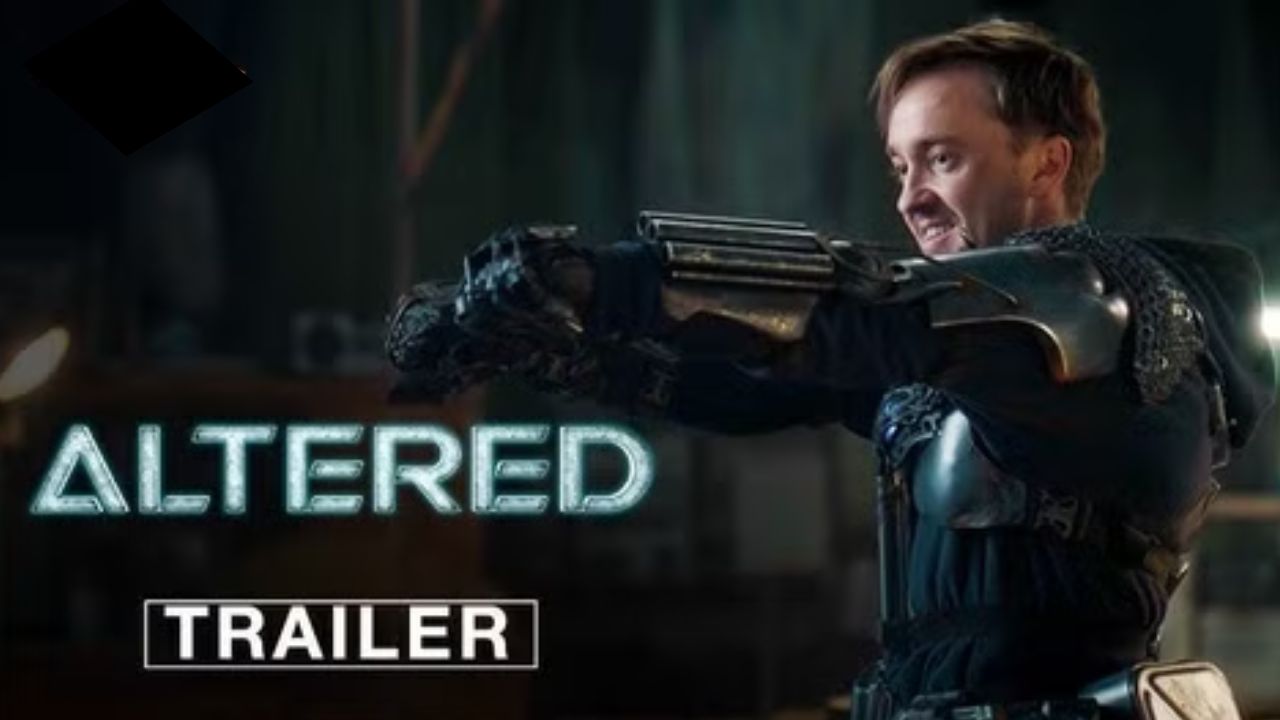
In this gripping sci-fi horror tale, a group of traumatized survivors returns to confront the extra-terrestrial nightmare that once destroyed their lives, uncovering deeper truths about terror, memory, and human resilience.
Altered arrives as a tightly wound, atmospheric thriller—a film that merges science fiction with survival horror to create an experience that is unsettling, darkly emotional, and surprisingly character-driven. Set years after a devastating alien abduction, the movie follows four men whose lives were shattered by the event. When one of their former captors unexpectedly reappears, the group must confront both the creature and the lingering psychological wounds of their past.
What emerges is a tense, introspective narrative that explores trauma, revenge, and the fragile boundaries between victim and survivor.
A Return to the Woods That Changed Everything
From its opening scene, Altered establishes a grim, foreboding mood. Dense forests, empty backroads, and shadowy cabins create an atmosphere dripping with tension. The men—once abducted by aliens and forever changed—have spent years wrestling with fear and anger. Now, when they manage to capture one of the extra-terrestrial beings responsible for their torment, the past and present collide in explosive fashion.
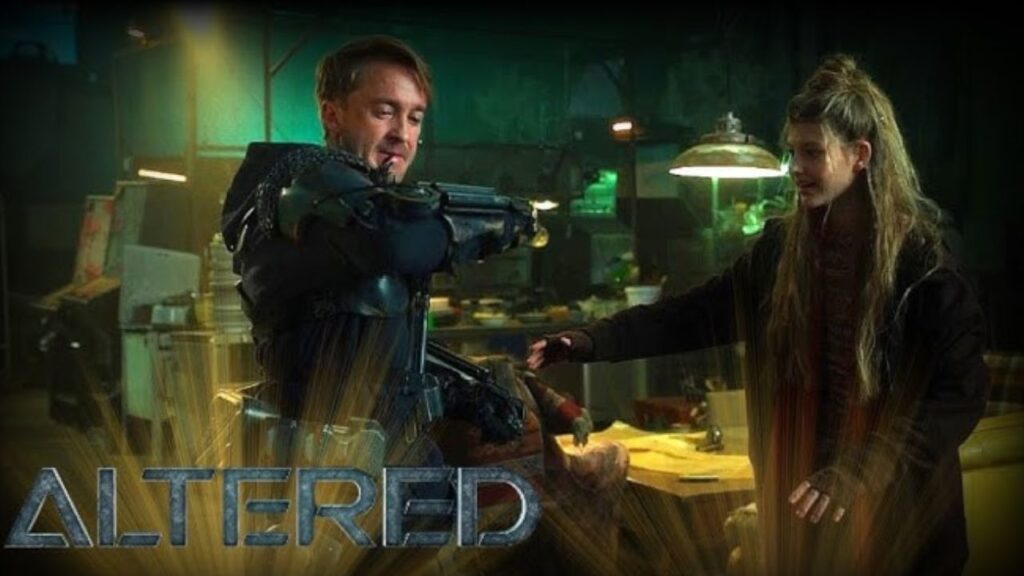
The film uses these remote settings to heighten feelings of isolation. The woods become a character in their own right—dark, watchful, and suffocating, reflecting the emotional landscape of the survivors who never truly escaped their ordeal. As the men drag the captive alien back to a secluded home, the environment traps them physically while their memories trap them psychologically.
Through these visuals, the film underscores the inescapability of trauma. Even in moments of quiet, tension simmers just beneath the surface.
View Also: A Figgly Christmas Movie Review 2025
A Revenge Story Fueled by Fear and Haunted by Doubt
At its core, Altered is a study in revenge—messy, conflicted, and painfully human. The men are divided in their desires: some crave vengeance, others fear retaliation, and a few simply want closure. Their conversations crackle with tension as years of bottled rage, guilt, and distrust explode to the forefront.
The alien, injured but eerily calm, sits restrained while the men debate its fate. This power dynamic creates a moral dilemma at the heart of the film, forcing viewers to question who is truly in control and what justice really looks like when the enemy is from another world.
As the night unfolds, cracks in the group deepen. Arguments erupt over past decisions. Doubts about each other’s loyalty and sanity surface. Despite their shared trauma, unity proves fragile. The film excels at showing how fear can bind people together—but also tear them apart.
A Creature That Defies Easy Categorization
The alien creature in Altered is one of the film’s most compelling aspects. Unlike the sleek, mysterious invaders found in typical sci-fi fare, this alien is unsettlingly physical—strange in anatomy, unpredictable in behavior, and unnervingly intelligent.
The creature communicates only through expressions, gestures, and intermittent telepathic suggestions. These moments create a chilling sense of uncertainty. Its silence becomes a weapon, allowing the survivors’ imaginations to run rampant and pushing them toward paranoia.
The film refuses to paint the alien as purely monstrous. Instead, it blurs the lines between predator and victim. Flashbacks and brief hints reveal the creature’s own motivations—motivations that complicate the men’s revenge and force them to confront their assumptions.
Trauma as a Living Presence
One of the film’s most powerful elements is its handling of psychological trauma. Rather than relying on exposition, Altered reveals the survivors’ wounds through behavior. They flinch at certain sounds. They hesitate before entering dark rooms. Their eyes dart nervously at shadows. These subtle gestures speak louder than dialogue.
The abduction left them with scars—some visible, some buried deep.
Each man processes trauma differently:
- One becomes consumed by rage, convinced that vengeance is the only path to freedom.
- Another seeks logic and control, analyzing every detail to avoid feeling helpless again.
- A third tries to forget, burying his fear beneath forced normalcy.
- The fourth remains paralyzed by guilt, believing he failed others during their captivity.
Their trauma becomes the movie’s true antagonist, shaping their choices and dictating the night’s escalating chaos.
Escalating Tension and Claustrophobic Conflict
As hours pass, the group’s fragile unity collapses. Old arguments resurface. Distrust spreads like poison. The alien, bound but never powerless, exploits every crack in their resolve.
The house becomes a pressure cooker of clashing personalities and mounting fear. Doors slam. Lights flicker. Strange noises echo. The men begin to suspect not only the alien—but each other.
The film thrives in these claustrophobic moments. Dialogue becomes rapid, emotional, and raw. The tension builds in unpredictable waves, with sudden bursts of violence followed by eerie calm. The alien’s presence intensifies every decision, every mistake, and every confession that slips out under stress.
In the third act, revelations about the alien’s nature—and the truth behind the original abduction—upend everything the men believed, setting the stage for a dramatic, unsettling finale.
A Visual and Atmospheric Triumph
Altered excels at atmosphere. Its cinematography uses darkness to powerful effect—shadows ripple across the frame, hiding threats both real and imagined. The camera lingers on faces twisted by panic, on trembling hands holding weapons, on empty hallways where something might be lurking.
The lighting is deliberately minimal. Flashlights, lanterns, and flickering bulbs guide viewers through the film’s most tense moments. This shadow-heavy aesthetic enhances the feeling of vulnerability, turning ordinary spaces into sites of dread.
Sound design is equally effective. The alien emits clicks, hisses, and low-frequency pulses that unsettle the senses. The silence between these sounds becomes even more chilling. When chaos erupts, the soundscape amplifies the panic—crashing furniture, frantic breathing, and guttural screams echo through the cabin.
Together, these elements create a sensory experience that feels intimate, immersive, and frighteningly real.
Performances Rooted in Raw Emotion
The success of Altered relies on convincing performances, and the cast delivers. Each actor embodies a different psychological response to trauma, giving the film emotional depth that enhances its horror.
Their interactions feel authentic—messy, charged, and unpredictable. When they argue, it feels like years of buried emotion erupting, When they fear the alien, their terror is palpable. When they break down, the vulnerability feels painfully human.
The alien performer also deserves praise. The creature’s physicality—its movements, posture, and unblinking stare—adds layers of tension. Its presence elevates every scene, reminding viewers that danger is always a breath away.
View Also: Wicked: For Good 2025 – Release Date, Cast, Story & Full Movie Overview
Themes of Control, Memory, and Survival
Beyond scares, Altered explores deeper themes:
Control:
The men try desperately to reclaim control after feeling powerless during their abduction. Their obsession with dominating the alien reveals the fragility of human authority.
Memory:
Trauma distorts memory. Throughout the film, the survivors question what truly happened. Their recollections conflict, suggesting that truth may be fragmented, incomplete, or manipulated.
Survival:
The film argues that survival is not merely physical—it is emotional and psychological. Staying alive is one battle; living with the aftermath is another.
These themes give Altered unexpected philosophical weight, elevating it beyond a creature feature into a story that lingers in the mind.
Official Trailer
A Bold, Surprising, and Unsettling Film
By the time the movie reaches its final moments, the line between victim and aggressor has blurred. The survivors face choices that challenge their identities, morals, and futures. The conclusion is unsettling, ambiguous, and thought-provoking—exactly the kind of ending that a film like Altered deserves.
This is not a typical alien horror movie.
It is darker, more intimate, and far more emotionally driven.
Altered thrives because it dares to examine the psychological scars of its characters rather than focusing solely on extra-terrestrial terror. Its blend of sci-fi, suspense, and emotional depth makes it a standout in the genre.
2 thoughts on “Altered Movie Review 2025”